Shop Aftermarket Auto Parts for Performance Upgrades
Budget-Friendly Substitute Auto Components: Enhance Your Car's Functionality
Reasonably priced aftermarket auto parts function as a feasible alternative for people desiring to enhance their vehicle's power. Offering selections spanning from premium air filters to upgraded exhaust systems, these components can deliver major enhancements in handling and economy. Reviewing these parts necessitates careful assessment of quality and compatibility. As automotive fans copyrightine these changes, they typically encounter both difficulties and wins. The experience of modifying a vehicle can produce surprising consequences that warrant deeper copyrightination.
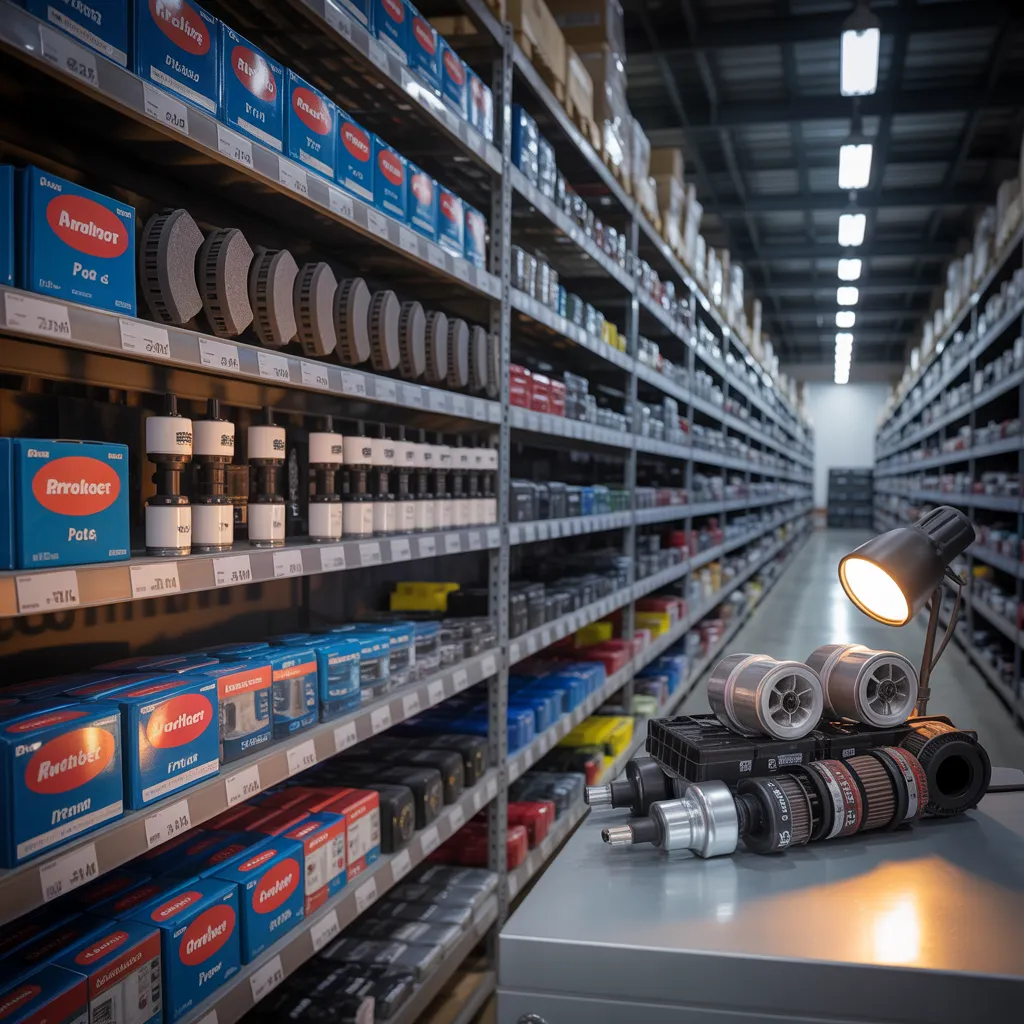
What do you understand about Aftermarket Auto Parts?
Aftermarket auto parts refer to parts made by companies other than the original equipment manufacturer (OEM). These parts are alternatives to OEM components, often produced to satisfy specific market demands or performance criteria. Offered for a wide range of vehicles, aftermarket parts can feature anything from brake pads and exhaust systems to entire engine assemblies.
The aftermarket industry includes a broad spectrum of makers, covering from small operations to large enterprises, each delivering unique products. These components may vary in quality, expense, and output in relation to their OEM equivalents. While certain secondary components are created to improve vehicle performance or customization, others work to supply economical fixes for repairs. Shoppers frequently pick secondary market items for their availability, range, and financial benefits, establishing them as an important part of the automotive sector.
Benefits of Updating Cost-Effective Alternatives
Converting to affordable aftermarket auto parts can greatly enhance a car's endurance and functioning, notably with respect to financial restrictions. These parts often provide a cost-effective alternative to OEM items while presenting matching excellence and effectiveness. The employment of alternative components can lead to improved handling, improved gas economy, and enhanced power output, making them an attractive choice for budget-conscious drivers seeking enhancement improvements.
Additionally, many cost-effective replacement parts are created with cutting-edge technology, providing compatibility with recent vehicle types. This allows for enhanced personalization, enabling owners to tailor their vehicles to distinct driving requirements or choices. Moreover, tapping into a broader range of products can foster innovation, as manufacturers consistently offer improved materials and designs. Ultimately, choosing affordable aftermarket options not only aids vehicle improvement but also promotes a superior driving experience without straining financial resources.
Popular Categories of Budget-Friendly Aftermarket Parts
Broad selections of low-cost replacement automotive components support multiple car requirements and interests. One favored segment includes performance parts, which enhance engine efficiency and responsiveness. These pieces, such as intake components and tailpipe systems, can substantially increase a vehicle's driving force. Another key category encompasses support system components, which support smoothness and steering. Enhanced shock absorbers and springs can provide improved stability and comfort.
Also, visual modifications, like custom wheels and body upgrades, allow vehicle owners to customize their cars while commonly enhancing functionality. Lighting upgrades, including LED lighting fixtures, also fall within this group, improving visibility and safety. Finally, interior add-ons, such as protective covers and mats, provide both comfort and aesthetic appeal. By copyrightining these options, automotive enthusiasts can discover budget-friendly choices that satisfy their performance and visual preferences, elevating their driving experience.
Benchmarks for Reviewing Aftermarket Parts Performance
When evaluating the quality of aftermarket auto parts, several key criteria come into play. First, material quality is crucial; high-grade materials typically result in better longevity and performance. Compatibility with the specific vehicle model is another important factor; parts should fit smoothly without requiring modifications.
Additionally, brand trustworthiness holds a major role; established manufacturers frequently deliver confidence of standards through customer reviews and industry certifications. Evaluating performance is equally critical; reputable aftermarket parts should have completed rigorous testing to guarantee they comply with safety and performance standards.
Finally, warranty options can reveal product reliability; a strong warranty reflects the manufacturer's confidence in their good. Evaluating these criteria enables purchasers make informed decisions, making certain they pick aftermarket parts that boost their automobile's efficiency without compromising protection and durability.
DIY vs. Professional Installation Best Practices?
When evaluating the installation of budget-friendly aftermarket auto parts, individuals must first evaluate their skill level to determine if a DIY method is practical. Additionally, the tools required for installation can greatly affect the choice between tackling the job yourself or hiring expert assistance. Recognizing these factors ensures a easier procedure and best results.
Evaluating Your Proficiency Level
How can one assess whether to handle an auto part installation as check now a do-it-yourself endeavor or to obtain professional assistance? First, assessing one's own technical abilities is essential. Individuals with experience in automotive work may feel confident undertaking basic jobs, such as replacing air filters or brake pads. Conversely, those lacking experience might find intricate setups risky and intimidating. Analyzing the difficulty of the part is also important; intricate systems often require expert expertise and tools better suited for professionals. Additionally, considering scheduling limitations is noteworthy; DIY projects can be lengthy, while professionals can complete installations efficiently. Ultimately, comparing personal skill level against the task's demands will guide the decision between DIY and professional installation.
Tools Required To Complete Installation
Identifying the essential tools required for auto part assembly is critical for both DIY amateurs and professionals. A basic toolkit should include spanners, sockets, screwdrivers, pliers, and a jack. Moreover, specialized tools may be required depending on the specific part being installed, such as torque wrenches for exact fittings or O2 sensor sockets for exhaust work. For DIYers, having a service manual can deliver instruction on the tools required for each particular job. Professionals frequently maintain a more broad range of tools, permitting for faster and more effective assemblies. In the end, whether choosing a DIY project or hiring a professional, ensuring the right tools are accessible can significantly affect the installation process and overall condition of the vehicle.
Planning Your Budget for Changes
When budgeting for modifications, it is essential to establish definitive goals to guarantee funds are distributed effectively. Researching cost-effective options can further help fans optimize their investment while attaining wanted improvements. This approach not only protects finances but also enhances the overall modification experience.
Defining Transparent Priorities
Setting well-defined objectives is essential for traversing vehicle customization endeavors. Individuals should identify their primary goals, whether enhancing performance, upgrading appearance, or increasing reliability. Each objective demands a distinct distribution of budget and materials. A comprehensive assessment of the car's existing state and intended use can help determine which upgrades will yield the most significant benefits. For instance, a performance-focused enthusiast may prioritize motor enhancements, whereas another desiring visual appeal might concentrate on body modifications. By ranking these objectives, fans can create an structured budget that represents their requirements and desires. This method prevents impulsive spending on unneeded components and ensures that expenditures align with the overall vision for the vehicle.
Exploring Low-Cost Alternatives
Numerous automotive fans appreciate that sound budgeting is necessary when researching inexpensive options for automotive modifications. A well-defined budget not only helps arrange modifications but also guides the selection of aftermarket parts that enhance performance without breaking the bank. Motorsport fans are encouraged to compare prices across various retailers, both online and in-store, to spot the best deals. Additionally, exploring reviews and forums can provide insights into the durability and performance of specific parts, ensuring wise choices. By considering used or refurbished components, one can further stretch their budget while still achieving desired upgrades. Ultimately, a strategic approach to budgeting allows car enthusiasts to achieve their performance goals while maintaining financial stability.
Achievement Stories Using Aftermarket Auto Parts
Aftermarket auto parts have revolutionized countless vehicles, providing both cost-effectiveness and performance enhancements. Many car enthusiasts have reported significant improvements in their vehicles after incorporating these parts. For copyrightple, a local technician shared a story about a customer who upgraded their sedan with aftermarket exhaust and suspension systems. This upgrade not only boosted horsepower but also enhanced handling, making the car feel more agile on the road.
Another triumph narrative featured a cost-aware driver who swapped out their factory air filter with a high-performance variant. This basic modification resulted in improved fuel efficiency and a significant increase in acceleration.
Furthermore, a popular internet forum displays numerous feedback from customers who have efficiently customized their rides using aftermarket wheels and brake systems. These upgrades not only boosted performance but also added a personal flair to each automobile, proving that aftermarket parts can effectively manage expense and excellence while improving overall driving adventures.
Popular Frequently Posed Questions
Do Non-OEM Parts Fall Under Producer Guarantee Benefits?
Aftermarket parts are typically not protected by factory warranty coverage. However, if they result in harm to the vehicle, the warranty may be nullified. Buyers should thoroughly copyrightine their warranty terms before installing aftermarket parts.
How Do I Locate Reputable Aftermarket Parts Retailers?
To pinpoint credible aftermarket parts sources, one should study online critiques, seek recommendations from mechanical professionals, and confirm certifications. Comparing amounts and protections can also help assure quality and reliability in purchased components.
Do non-original Parts impact My Vehicle's resale value?
Aftermarket parts can impact a vehicle's resale value. High-quality parts may increase value, while inferior options could discourage buyers. Ultimately, the reputation of the parts and the vehicle's overall condition determine resale potential.
Is it Possible to Mix Aftermarket and OEM Parts?
Certainly, individuals can combine OEM and aftermarket parts. However, compatibility, efficiency, and warranty consequences must be considered. Proper research is crucial to ensure that the combination satisfies safety and functionality standards for optimal vehicle performance.
Are There Legal Regulations for Aftermarket Upgrades?
Yes, legal standards for custom modifications exist. They vary by region and may include safety standards, environmental compliance, and insurance implications. Auto owners should investigate regional guidelines to ensure modifications remain within legal boundaries.